by Usha Govindarajulu | Mar 25, 2026 | Biostatistics, Blog, Usha Govindarajulu
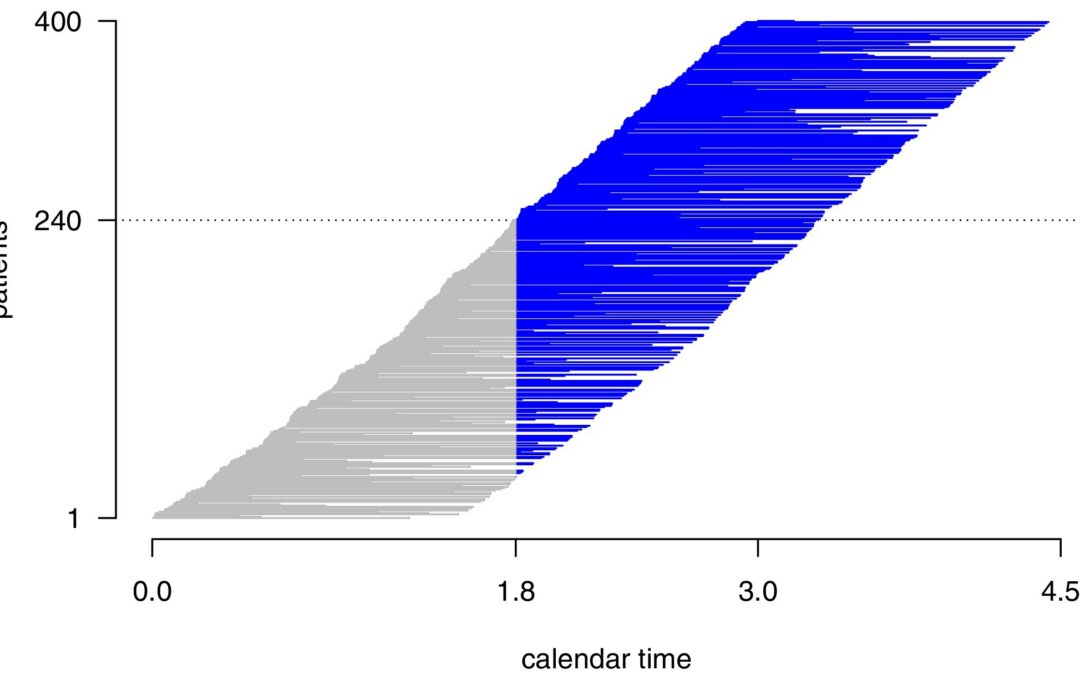
March 25, 2026 The goal of this article was to present a methodology to design and analyze an adaptive clinical trial with sample size recalculation at interim analysis, when the restricted mean survival time (RMST) is the primary endpoint. Especially, we focus on the...
by Usha Govindarajulu | Mar 12, 2026 | Biostatistics, Blog, Usha Govindarajulu
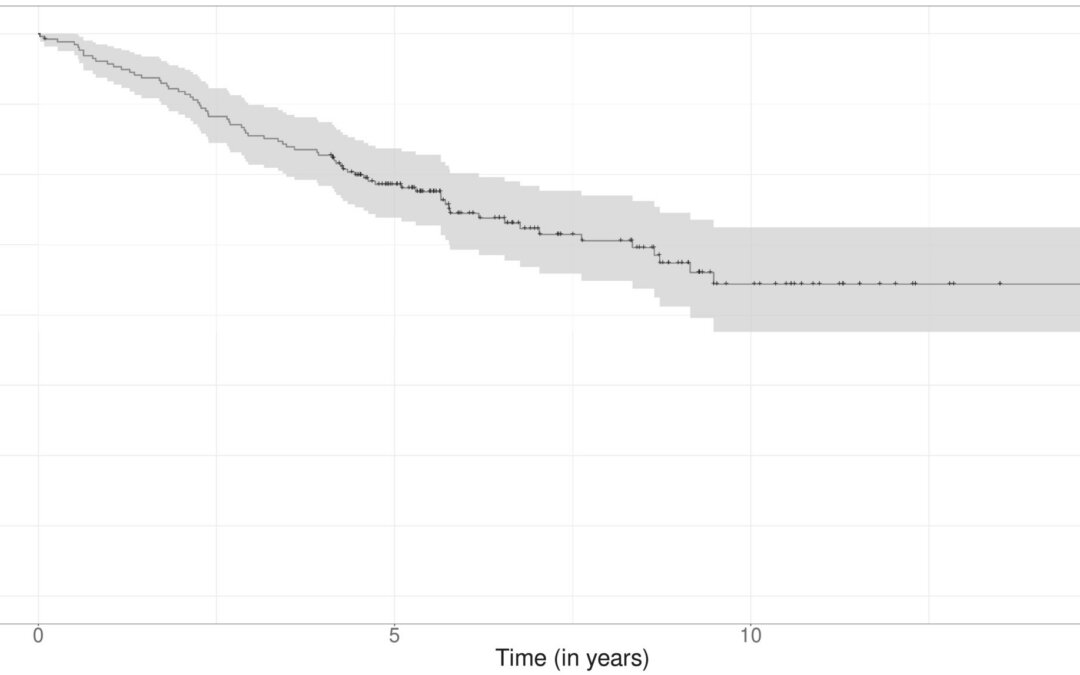
March 12, 2026 In this article, they considered modeling and statistical analysis of dependent competing risks time-to-event data in the presence of long-term survivors. They modeled the effect of the existence of long-term survivors in the population using a mixture...
by Usha Govindarajulu | Feb 25, 2026 | Biostatistics, Blog, Usha Govindarajulu
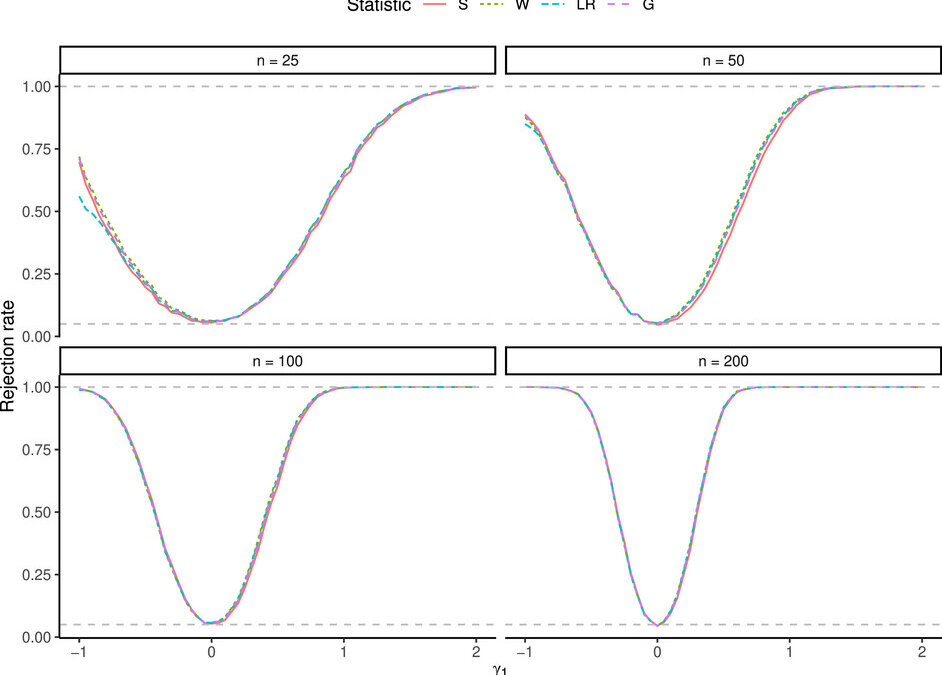
February 25, 2026 The authors explored new modeling for discrete paired data without normality assumptions. Skellam (1946) introduced the Skellam distribution as the difference of two Poisson random variables; Kozubowski and Inusah (2006) proposed the skew discrete...

by Usha Govindarajulu | Feb 11, 2026 | Biostatistics, Blog, Usha Govindarajulu
February 11, 2026 The authors in this article have presented a stepwise guidance on how to extend the simple time-to-first event model to complex multistate methodology, where multiple events are incorporated. They considered non- and semiparametric methods and show...
by Usha Govindarajulu | Jan 30, 2026 | Biostatistics, Blog, Healtcare, Machine Learning, Professor, Usha Govindarajulu
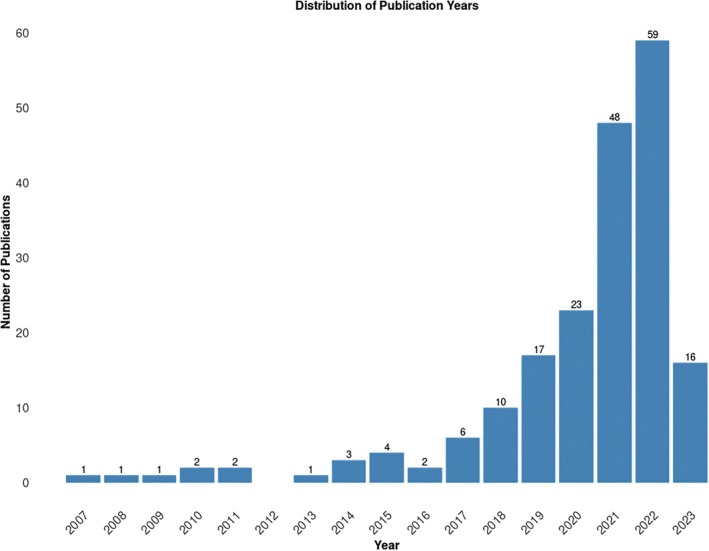
January 28, 2026 Machine learning (ML) offers opportunities to overcome limitations of conventional survival analyses, which are commonly found in cancer studies. It becomes unclear whether they consistently outperform traditional statistical methods and whether one...
by Usha Govindarajulu | Jan 14, 2026 | Biostatistics, Blog, Usha Govindarajulu
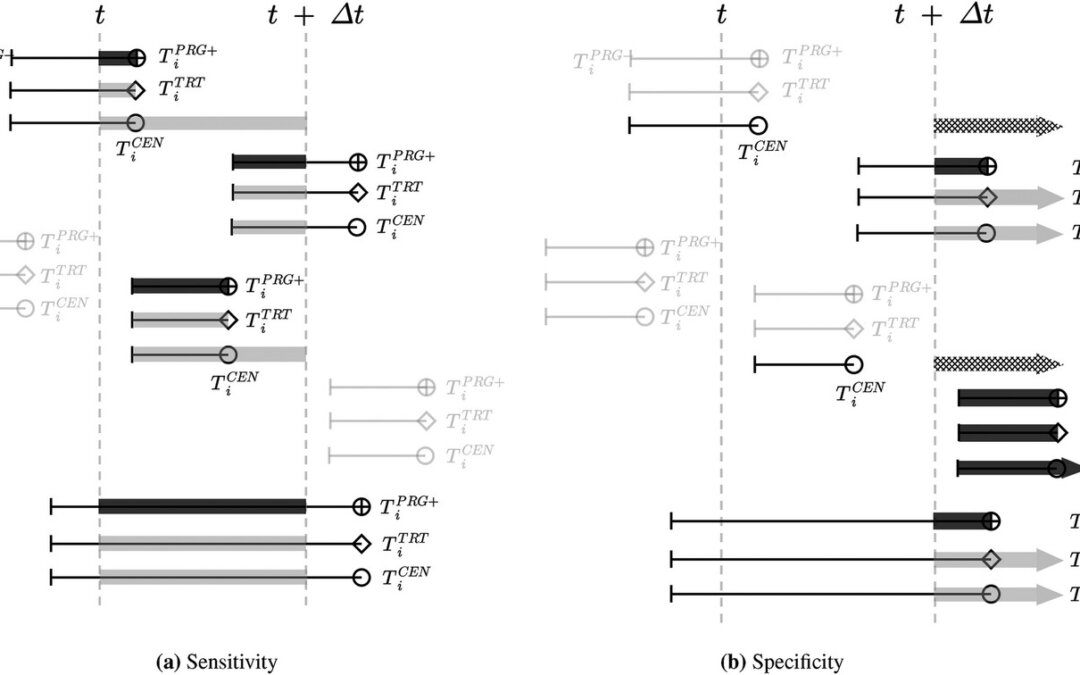
January 14, 2026 To evaluate the performance of a prediction model in time-to-event outcomes with censoring is very difficult. Interval censoring and competing risks present additional challenges. They proposed two methods to deal with interval censoring: a...
