by Usha Govindarajulu | Aug 27, 2026 | Artificial Intelligence, Biostatistics, Blog, Machine Learning, Professor, Usha Govindarajulu
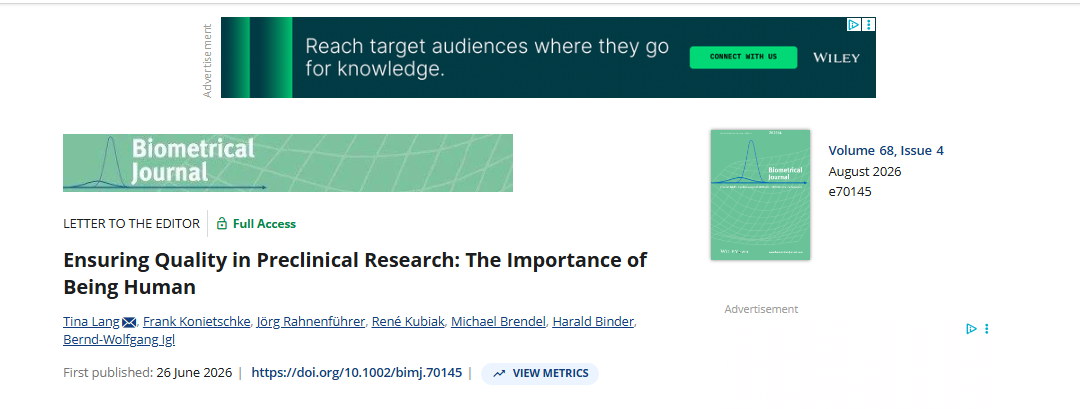
August 26, 2026 In their article, Lang et al (2026) discuss the issues of assessing quality in preclinical research statistically in the age of the emerging use of artificial intelligence (AI). They aimed to show how large language models (LLMs) and more generally...

by Usha Govindarajulu | Aug 12, 2026 | Biostatistics, Blog, Machine Learning, Professor, Usha Govindarajulu
August 12, 2026 The authors, Qiang et al (2026) proposed a semiparametric modeling framework for interval-censored data using a deep generalized accelerated hazards model (DGAHM) which uses Cox proportional hazard regression or accelerated failure time (AFT)...

by Usha Govindarajulu | Jul 29, 2026 | Biostatistics, Blog, Machine Learning, Professor, Usha Govindarajulu
July 29, 2026 The authors published this second article as a two part series about exploring novel approaches to predicting survival outcomes and evaluating model performance. They also provide R code to help in the implementations of these. They then go through and...
by Usha Govindarajulu | Apr 22, 2026 | Biostatistics, Blog, Machine Learning, Usha Govindarajulu
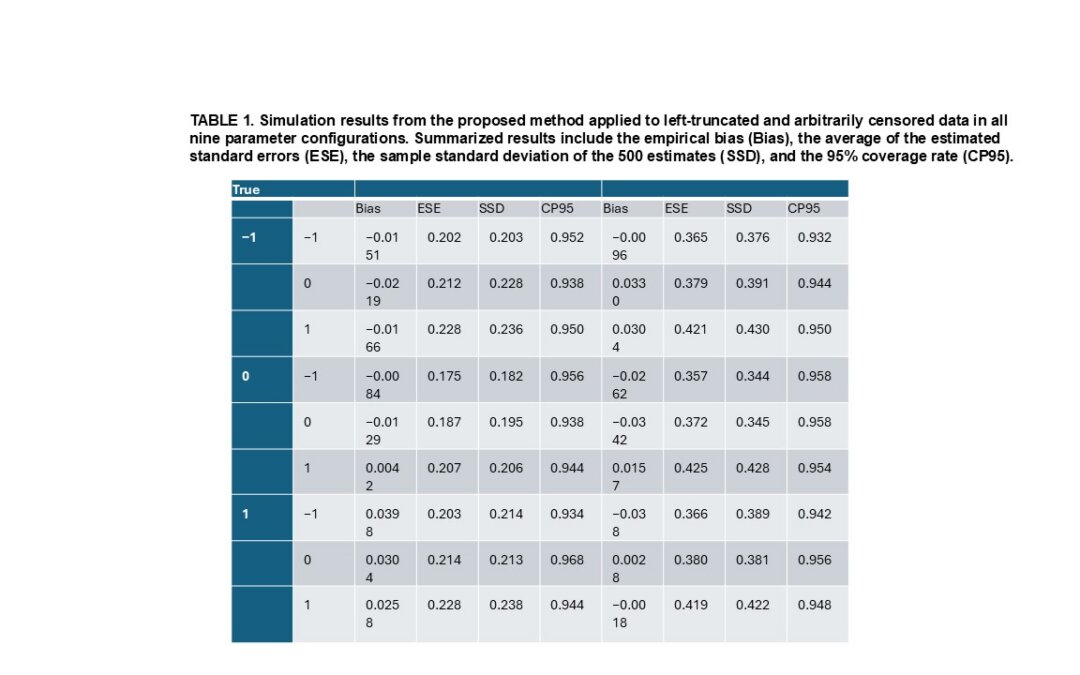
April 22, 2026 Written by, In this article, they studied regression analysis of arbitrarily censored and left-truncated data under a popular semiparametric proportional odds model. They developed a new estimation approach via an expectation and maximization algorithm...
by Usha Govindarajulu | Jan 30, 2026 | Biostatistics, Blog, Healtcare, Machine Learning, Professor, Usha Govindarajulu
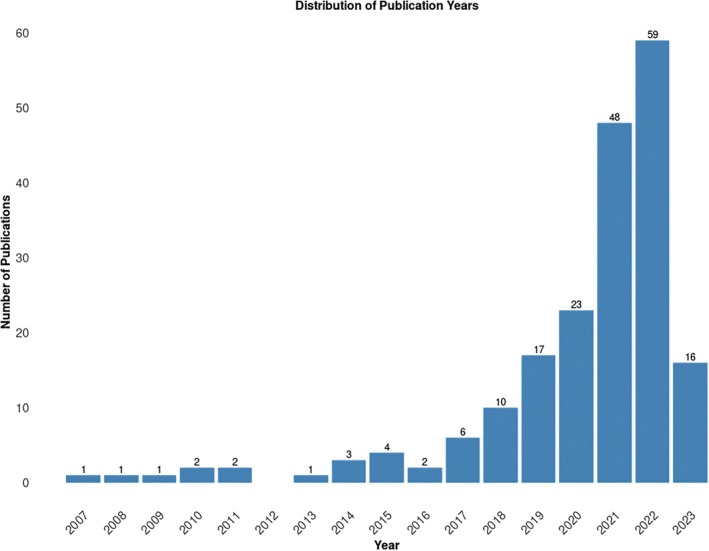
January 28, 2026 Machine learning (ML) offers opportunities to overcome limitations of conventional survival analyses, which are commonly found in cancer studies. It becomes unclear whether they consistently outperform traditional statistical methods and whether one...
by Usha Govindarajulu | Jun 17, 2025 | Biostatistics, Blog, Machine Learning, Usha Govindarajulu
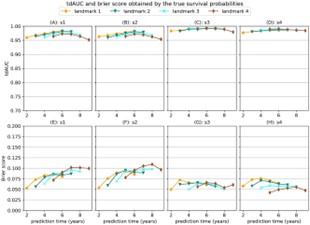
June 18, 2025 The goal of this paper was to bridge gaps in understanding how to use machine learning (ML) methods for survival by presenting a comprehensive study comparing various ML methods for dynamic survival analysis. They sought to provide researchers and...
